
Our Blog

What Makes a Great Pair of Kids’ Sunglasses?
(It’s Not Just Cute Colors) Did you know that your child’s vision is the single most important factor in how they learn about the world around them? Experts say that roughly 80% of what a child learns comes in through their visual system. As a parent, that...

How Parents Can Protect the Littlest Eyes in Your Family
Why Kids’ Sunglasses Are Now Essential Gear All Year Warmer weather is finally here and families are spending more time enjoying the great outdoors — with swimming, hiking, picnicking, and sporting events. You’re having fun and soaking up the sun. But wait! Soaking up the sun isn’t always a healthy thing, for your skin OR your eyes — and especially for children’s eyes. Soaking up the sun means simultaneously soaking up harmful ultraviolet (UV) radiation! Bottom line? Children’s and adolescent’s eyes and skin need extra protection from the sun. Why? According to the World Health Organization, a child’s UV exposure is three times higher...

Digital Eye Strain – Students
Is Your Student at Risk for Digital Eye Strain and Fatigue? With an ever-increasing amount of technology in schools, back-to-school season can mean more screen time, and that puts kids at risk for digital eye strain and fatigue. What is Digital Eye Strain? From the...

Attention Parents: Amblyopia Treatment
Attention Parents: Earlier is Better for Amblyopia Treatment What is Amblyopia? As the leading cause of visual impairment among children, amblyopia affects approximately 2 to 3 of every 100 children. The condition occurs when vision in one eye is reduced; though the...

School Vision Screening
Is a School Vision Screening “Good Enough” for Your Student? It’s August! Where did the summer go? In just a few short weeks your kids will be heading back to school in a flurry of photos and emotions as you watch them start the new school year. You...
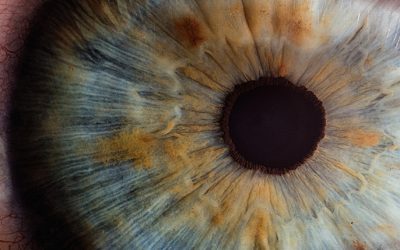
Scratched Cornea?
Scratched Cornea? What to Do―and What Not to Do July is Eye Injury Prevention Month, which makes it the perfect time to highlight one of the most common eye injuries, corneal abrasions. What are Corneal Abrasions? If you’ve ever scratched your cornea (the front...

7 Questions About Sunglasses
July is UV Safety Month, and while we are huge proponents of applying SPF 30 (or higher) on our skin before going outside in the sun, the primary focus in our office is the importance of protecting your eyes from damaging UV rays. It’s common knowledge that...

Cataract Surgery and Recovery Part 2
Patient Testimonial Part 2: Cataract Surgery and Recovery Do you or someone you know suffer from cataracts, a clouding of the eye’s lens that can negatively impact your vision? By age 80, more than 50% of Americans notice deteriorating vision due to cataracts....